About the CURATOR Project
Outcomes of neurofeedback sessions vary widely because protocols are rarely tailored to the unique neural dynamics of each individual. As a result, it is difficult and time-consuming to provide personalized treatment recommendations for everyone. Brain activity patterns, personal goals (e.g., anxiety reduction, sleep improvement), age, lifestyle, and comorbidities all influence treatment response, yet current approaches lack objective tools to guide personalization. CURATOR will develop objective, computational methods to optimize the design of neurofeedback treatment. We will (1) systematically test feedback modalities (e.g., visual, auditory, interactive) to identify stimulus types that best engage and benefit individuals, and (2) derive computational biomarkers from EEG spectral features, event-related potentials, and brain connectivity metrics that can predict suitable treatment responses and inform protocol selection. State-of-the-art Machine Learning algorithms and Large Language Models will be applied to integrate multimodal feedback signals in order to enable precise, data-driven delivery of personalized reports and treatment recommendations. In sum, this project enables closed-loop neurofeedback systems that adjust protocols in real time based on cognitive and neurophysiological data. Among other benefits, personalized reporting will enable clinicians to track progress, predict outcomes, and detect relapse risks early. By relying on objective measures rather than trial and error, CURATOR will advance the current state of the art in neurofeedback technology.
In Plain Language
Neurofeedback is a type of brain training that teaches people how to change their own brain activity using real‑time feedback from their neurophysiological signals. The goal is to improve mental health, thinking, sleep, and overall well‑being. However, current neurofeedback programs are often "one‑size‑fits‑all" even though no two brains are alike. As a result, some people benefit greatly, while others see little effect. Factors such as age, lifestyle, personal goals, and mental health challenges play a role in how well someone responds to the treatment selected by the clinician. The CURATOR project will make neurofeedback more personal and effective. We will test different types of feedback (such as images, music, videos, or games) to discover which approach works best for each individual. At the same time, we will search for brain activity patterns, known as biomarkers, that can predict how someone will respond to training. These biomarkers will be derived from detailed EEG signal analyses and connectivity measures, then processed using advanced Machine Learning algorithms and Large Language Models to provide personalized outcomes. CURATOR will make it possible to tailor the treatment programs to each person's unique brain and to monitor their progress automatically. Our ultimate goal is to create next‑generation neurofeedback tools that adapt in real time, helping people learn to regulate their own brain activity more effectively and giving clinicians powerful new ways to guide treatment.
Research Programme
Biomarkers → Reporting → Validation
FNR-Funded
AI-Personalised Neurofeedback
Three Research Work Packages, One Mission
CURATOR develops objective, computational methods to optimize the design of neurofeedback treatment — from biomarker discovery to personalized clinical reporting.
EEG Biomarker Protocol
Establish and validate a standardized biomarker framework that encodes EEG features and generates empirical evidence of their predictive value for neurofeedback outcomes.
WP1 · M1–M8Personalized Reporting
Develop a reporting system that integrates multimodal patient data and applies LLMs to generate clinically interpretable, auditable treatment recommendations.
WP2 · M7–M18Evaluation
Validate research hypotheses through pilot studies measuring objective neurofeedback learning, behavioural indices, physiological proxies, and subjective usability.
WP3 · M13–M22Researchers & Collaborators
A multidisciplinary team bridging neuroscience, clinical practice, and technology.
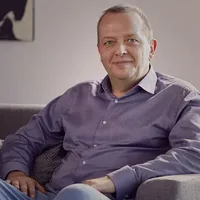
François Altwies
Principal Investigator
Founder and Chief Innovation Officer at Neurofeedback Luxembourg (Servicium SA). François leads the clinical practice and oversees the strategic integration of AI and neurotechnology into personalised neurofeedback treatments. As Principal Investigator of the CURATOR project, he bridges clinical expertise with research objectives, ensuring that computational tools are grounded in real-world clinical practice.

Kayhan Latifzadeh
PostDoc Researcher
I am a doctoral researcher in Computer Science at the University of Luxembourg, working at the intersection of Human-Computer Interaction, Machine Learning, and Cognitive Neuroscience. My research focuses on decoding brain and behavioral signals to better understand human interaction, with applications in personalized neurotechnology, multimodal AI, and digital health. Through collaborations with clinical and industrial partners, I aim to translate fundamental research into practical tools that advance scientific knowledge while improving human well-being. I am particularly motivated by the challenge of designing technologies that are ethical, inclusive, and human-centered, ensuring that innovation in neurotechnology and AI contributes meaningfully to both research progress and societal benefit. This motivation is reflected in my international collaborations with labs in Austria, Slovenia, and the United States, where I explored diverse applications of neurotechnology in extended reality, medical training, and visual attention research.
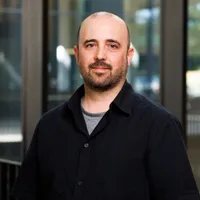
Luis A. Leiva
Academic Supervisor (Uni.lu)
My research interests lie at the intersection of Human-Computer Interaction and Machine Learning, with an emphasis on solving practical problems that will help people throughout their daily lives. I have a formal academic background in Computer Science, Design, and Engineering, which I use to guide my research and create solutions that are expressive, natural, and sound. My main research area is Computational Interaction, where I combine computational thinking with data-driven models and methods to enable, explain, and support user interaction. I also conduct fundamental and applied research activities in Information Retrieval and Natural Language Processing. This broad skill set has allowed me to accomplish multi- and interdisciplinary research, which has proved to be very useful to ensure a successful completion of several research projects.
Research Consortium


Supported by the Luxembourg National Research Fund (FNR) — Industrial Fellowships 2025-2
Research Milestones
WP1: Design of a Standard Protocol of EEG Biomarkers
Sept 2026
WP2: Multifactorial Personalized Reporting
Jun 2027
WP3: Evaluation
Nov 2027
WP4: Administration and Dissemination
Jan 2028